RV Title Transfer and Paperwork for a Used RV Purchase
How RV title transfer works when buying used: title and lien release, bill of sale, odometer disclosure, registration, sales tax and cross-state deals.
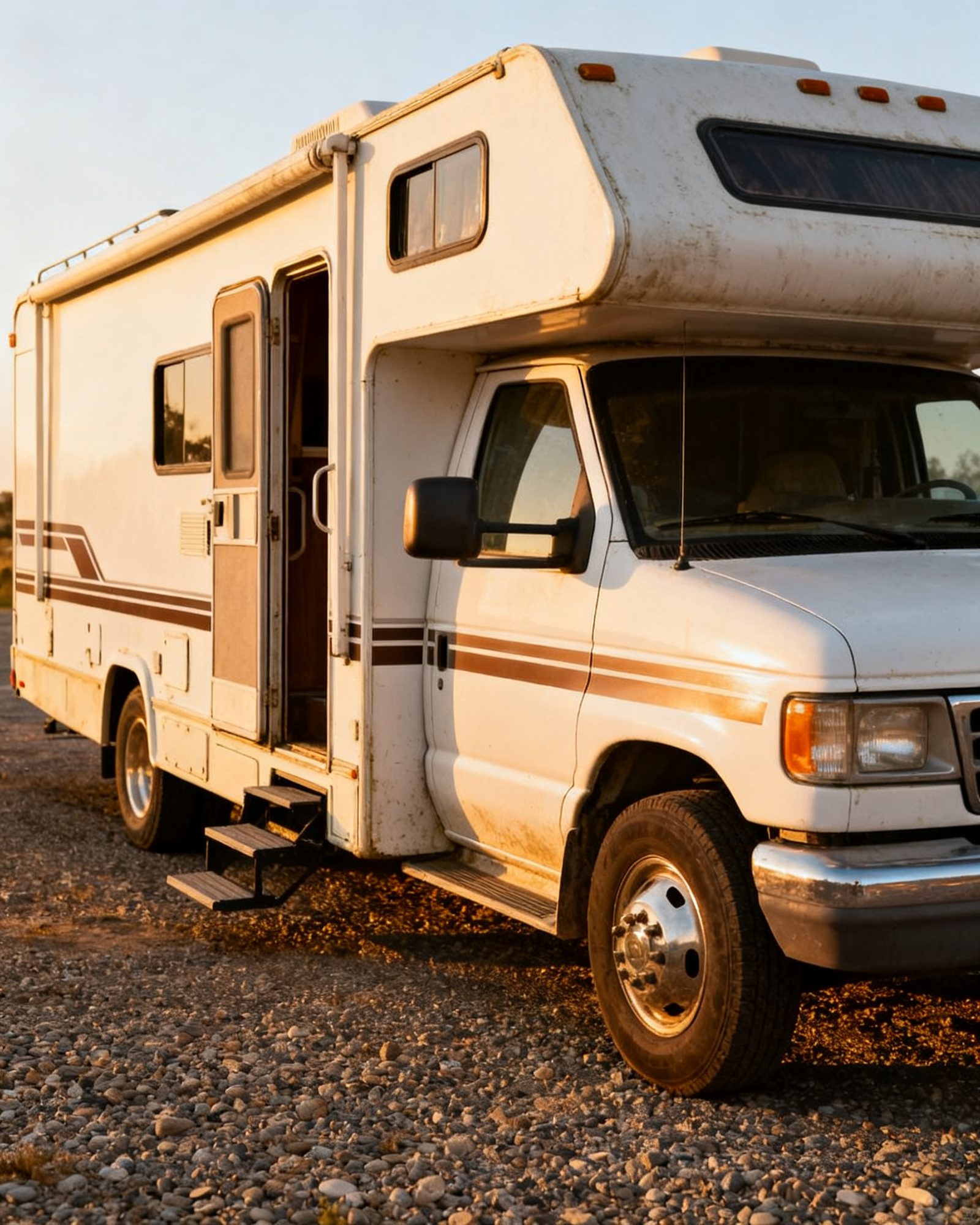
A used RV changes hands legally when the title is signed over, any lien is released, and the buyer and seller complete the paperwork their state requires. The order matters: confirm the seller and the title match, clear any lien, sign the title and a bill of sale at the same time, get an odometer disclosure on a motorhome where federal law requires one, then register and pay sales tax in your state. Rules differ by state, so check your state DMV before money changes hands.
The documents in a used RV purchase
A complete file for a used motorhome or towable usually contains these items. Trailers have no odometer, so the odometer form applies to motorhomes only.
| Document | Who provides it | What to check |
|---|---|---|
| Certificate of title | Seller | Seller’s name matches photo ID; VIN matches the RV; no altered or crossed-out entries |
| Lien release | Lender, if money is owed | Written release, or the lender’s signature on the title, before ownership passes |
| Bill of sale | Buyer and seller | Buyer, seller, date, sale amount, VIN, year, make, model, and “as is” where there is no warranty |
| Odometer disclosure | Seller, on a motorhome | Mileage stated and signed; exemptions exist by vehicle age or weight |
| Registration | Seller, then buyer | Current or recently expired; names and VIN consistent with the title |
| Sales tax and registration forms | Buyer’s state | Rates and forms vary; check your state DMV |
| Temporary permit | Buyer’s state | Rules and validity vary; check your state DMV |
The VIN is the thread that ties the file together. It appears on the title, the registration and the federal certification label on the vehicle, and all three must match with no sign of alteration. A VIN never uses the letters I, O or Q, and the 10th character gives the model year. Before agreeing on a price, run an RV VIN check for title brands, odometer records, total-loss history and open safety recalls. A motorhome can carry recalls from both the chassis maker and the company that built the living area, so check the NHTSA lookup by VIN as well.
Title brands and what they mean for transfer
Title brands - names vary by state - include salvage, rebuilt or reconstructed, flood and junk. A branded title affects financing, insurance and resale, and some states require extra inspection or paperwork before a rebuilt vehicle can be registered. If the title carries a brand the seller did not mention, stop and check your state DMV before going further.
When the seller still owes money
A lien must be released before ownership can pass. Two routes are common:
- Lien release in hand. The lender sends a written release, or signs the title, and the seller hands it over at the sale. The buyer then titles the RV cleanly.
- Payoff at the sale. The buyer and seller meet at the lender or the buyer’s bank, the payoff goes straight to the lender and the balance to the seller. Get the lender’s written payoff statement and confirm how and when the release or title will be sent. Do not pay the seller in full and trust them to clear the lien later.
A seller who cannot produce a release, or whose name is not on the title, is a reason to walk away. So is a title held by a third party the seller cannot explain.
Bill of sale for an RV
A bill of sale for an RV records buyer, seller, date, the sale amount, VIN, year, make and model, and “as is” where there is no warranty. Some states have their own form and require it for registration; check your state DMV. Make two copies and both sign each one. The bill of sale is the buyer’s proof of the transaction if the title transfer stalls, and it should describe the RV exactly as the title does.
Odometer disclosure on a motorhome
Federal law requires an odometer disclosure when a motor vehicle changes owner, with exemptions for example by the vehicle’s age or weight. The state DMV supplies the forms. The seller states the mileage and signs; the buyer signs as well. Compare the figure with the title, the registration and any service records. A mileage that is lower than an older record, or a seller who resists signing, is a red flag. Trailers have no odometer, so this step does not apply to a camper title for a towable.
Registration, sales tax and temporary permits
Registration happens in the buyer’s state, not the seller’s. Expect to pay sales tax, title and registration fees, and possibly a use tax if the RV was bought elsewhere. Rates, forms and deadlines vary widely; check your state DMV. A temporary permit lets you move the RV while the paperwork is processed - rules and validity vary, so check your state DMV before driving off.
For a towable, the camper title and registration follow the same state process as other trailers, but trailer rules vary; check your state DMV. Keep the signed title, bill of sale and odometer form together in one folder until the new title arrives.
Buying across state lines
An out-of-state purchase adds steps. Confirm with your own state DMV what it requires for an out-of-state title, whether it needs a VIN inspection, and how sales tax is handled. Some states collect tax at registration; others require proof that tax was paid elsewhere. If the seller’s state issues a temporary tag, check whether your state honors it. None of this is uniform, so check your state DMV on both sides of the line.
Buying from a private owner
A private sale is usually as-is, with no warranty, and there is no general right to cancel a signed vehicle purchase afterwards. That makes the paperwork step the buyer’s main protection. Meet at the buyer’s bank, check the title and the seller’s ID, pay by cashier’s check or a transfer made in person, and sign the title and bill of sale at the same time. For more on vetting a private seller and the scams that follow this pattern, see used campers for sale by owner.
Vehicle-sale scams follow a pattern the FTC and FBI warn about: a listing far below comparable RVs, a seller who cannot meet, payment by wire transfer, gift cards or an “escrow” or shipping service the seller chooses, and pressure to pay before seeing the RV and the title. Any of those is a reason to stop.
What goes wrong: red flags in the paperwork
- Name mismatch. The seller is not the person named on the title, or the ID does not match. Ownership cannot pass cleanly.
- Open lien. The seller promises a release after payment. The lien must be released before ownership passes.
- Altered title. Crossed-out entries, a different ink, or a VIN that does not match the certification label.
- No bill of sale. Without it, the buyer has no record of the sale amount or the as-is terms.
- Missing odometer form. On a motorhome that is not exempt by age or weight, the disclosure is a federal requirement; a seller who will not sign is a problem.
- Branded title not disclosed. Salvage, flood or junk brands affect financing, insurance and resale.
- Pressure to pay before seeing the title. A legitimate seller shows the title and the RV together.
- Auction or repossession paperwork. Repossessed RVs are sold as-is, may add a buyer’s premium, and the lender’s paperwork can take time to transfer the title. Budget time for that.
After the sale: insurance and the new title
Arrange insurance before driving the RV home. State law sets liability requirements for motorhomes driven on public roads, and coverage for a towed trailer depends on the policy - check with your insurer. For what a used RV needs, see RV insurance basics. Then submit the signed title, bill of sale, odometer form and tax payment to your state DMV and keep copies of everything until the new title arrives in your name.
General guidance only, not legal or tax advice. Titling, registration, sales tax and trailer rules vary by state: check your state DMV, and ask a tax professional about tax questions.
Common questions
How does RV title transfer work when I buy from a private seller?
The seller signs the title over to you, and any lien must be released first. Both of you sign a bill of sale, and on a motorhome the seller completes an odometer disclosure unless an age or weight exemption applies. You then submit the paperwork and pay sales tax to your state DMV. Rules vary by state, so check your state DMV.
What if the seller still owes money on the RV?
The lender must release the lien before ownership can pass. Either the seller provides a written lien release or the lender's signature on the title, or you complete the payoff together at the lender or your bank, with the payoff going straight to the lender. Do not pay the seller in full and trust them to clear the lien later.
Do I need a bill of sale to register a camper or RV?
Some states require one, and some have their own form; even where it is not required, it is your record of the sale. A bill of sale records buyer, seller, date, sale amount, VIN, year, make and model, and as-is terms. Check your state DMV for the exact requirement.
Can I register an RV bought in another state?
Yes, but your state may require an out-of-state title, a VIN inspection and payment of sales or use tax. Temporary permit rules also differ. Check your state DMV before you travel to buy.
What paperwork does a trailer need compared with a motorhome?
A trailer usually changes hands with a title and a bill of sale like a motorhome, though whether a light trailer is titled depends on the state. Trailers have no odometer, so no odometer disclosure applies. Trailer registration and titling rules vary by state, so check your state DMV.
Read next
RV Dealer vs Private Seller: Where to Buy a Used RV
Compare buying a used RV from a dealer or a private seller: price room, inspection access, warranty, financing, fees, paperwork and risk, plus what to check.
Repo RVs for Sale: How Bank Repos and Auctions Work
How repossessed RVs reach the market, what as-is really means, and how to inspect, bid and check the title before you commit to a repo RV.
Used RV Scams: Fake Listings, Escrow Tricks and Safe Payment
Learn the common used RV scams, from fake listings and escrow tricks to wire-transfer demands, plus how to check a seller and pay safely in person.