RV Insurance for a Used Motorhome or Trailer
What coverage a used RV needs: liability, collision, comprehensive, agreed value, full-timer and roadside. Compare motorhome and trailer policies before you buy.
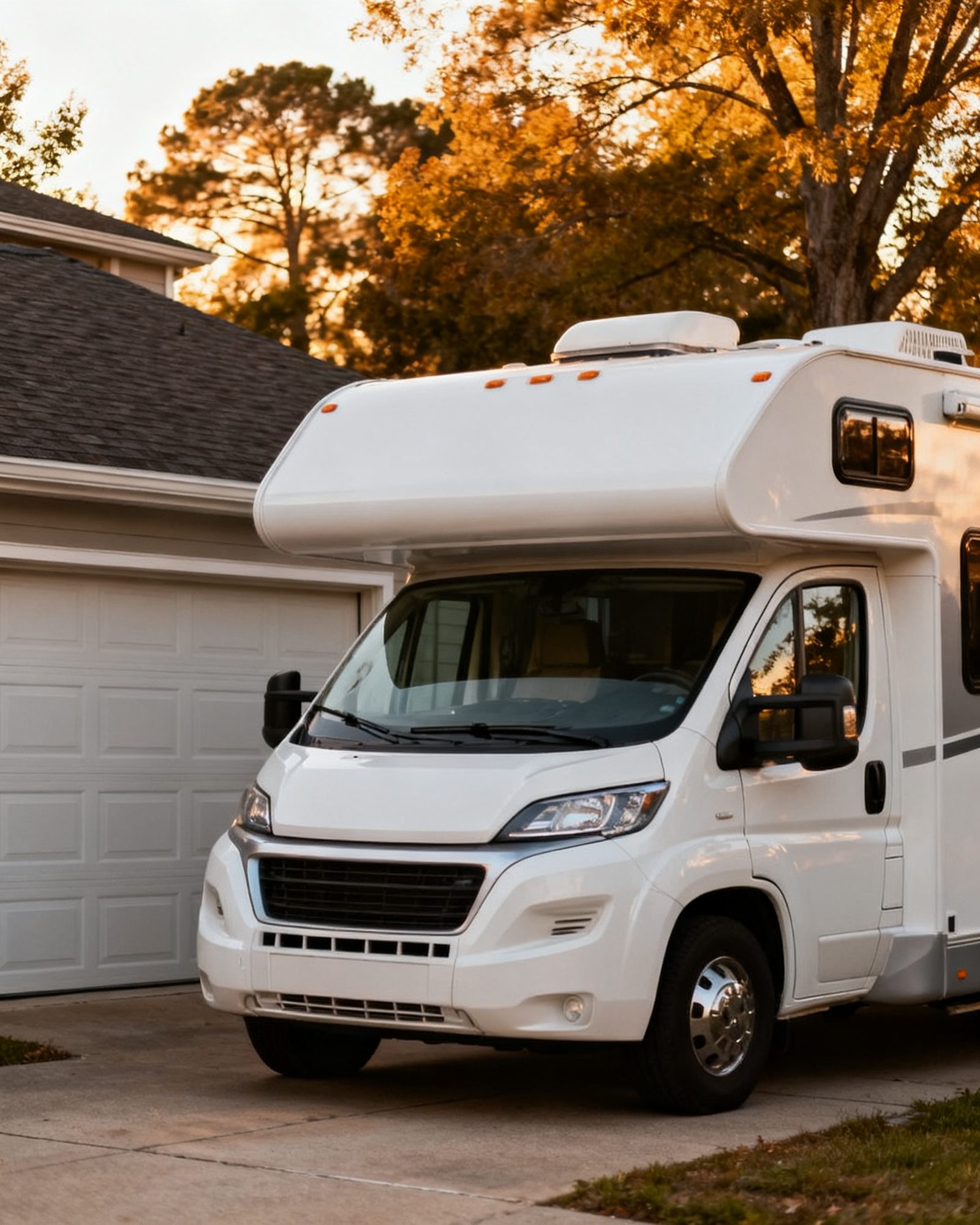
RV insurance is a set of separate coverages, not one product. A used motorhome driven on public roads needs liability coverage that meets your state’s minimums, and many buyers add collision and comprehensive to protect the vehicle itself. A towed travel trailer is different: liability while towing often extends from the tow vehicle’s policy, while damage to the trailer itself may need a separate trailer policy - coverage for a towed trailer depends on the policy. What you actually need depends on how the RV is titled, how it is used and whether a lender holds a lien. Check with your insurer before you commit to a purchase, because the quote affects the real cost of ownership as much as the RV’s condition does.
The coverages, one by one
| Coverage | What it pays for | Who usually needs it |
|---|---|---|
| Liability | Injury and property damage you cause to others | Every motorhome driven on public roads; state law sets the minimums |
| Collision | Damage to the RV from a crash or rollover | Motorhomes and trailers with a loan or a value worth protecting |
| Comprehensive | Theft, fire, storm, hail, vandalism, animal strikes | Almost every RV owner; fire, hail or theft can each total an RV |
| Total loss replacement | A new or comparable unit after a total loss, instead of a depreciated payout | Owners of a late-model used RV |
| Agreed value | A payout fixed at the policy’s stated value, not the market at loss time | Older RVs in good condition, restored units, custom builds |
| Personal effects | Contents inside the RV - clothing, gear, electronics | Full-timers and anyone carrying expensive gear |
| Vacation liability | Liability at a campsite when the RV is parked and used as a temporary vacation residence | Anyone who camps in the RV, especially with guests |
| Full-timer coverage | Combines the vehicle policy with liability and contents protection for a full-time resident | Anyone living in the RV rather than touring in it |
| Roadside assistance | Towing, jump-starts, tire changes, lockouts | Large motorhomes and heavy trailers that need a commercial tow |
State law sets the required coverage for a motorhome on public roads - liability at least, and in some states other coverages as well. Beyond that minimum, each coverage is a choice, and each option has its own exclusions. Ask for the exclusions in writing.
Motorhome versus travel trailer
A motorhome is a motor vehicle: it is titled, registered and insured like one, with liability attached to it. A travel trailer or fifth wheel is towed, so liability on the road usually runs through the tow vehicle’s policy. Damage to the trailer itself may be covered by the tow vehicle’s policy, by a separate trailer policy, or not at all - the answer depends on the insurer, the policy and the state. Ask which applies before you buy, and get the answer in writing.
A fifth wheel adds a wrinkle: it puts weight on the truck’s rear axle, so the truck’s payload and hitch rating matter as much as the trailer’s insurance. A truck camper may be treated as cargo on the truck or insured as a separate unit, depending on the policy. A folding camper or teardrop is small, but if it is stored outside it is still exposed to theft and storms, which is what comprehensive covers.
What a lender requires
If an RV loan is secured by the RV, the lender will normally require collision and comprehensive coverage with the lender named on the policy, and will usually require the deductible to stay below a figure the lender sets. The lender may also require proof of coverage before releasing funds. Ask the lender what it requires before you shop for a policy, and compare the total cost of the loan and the insurance together. For how the loan itself works, see RV financing basics.
A branded title - salvage, rebuilt, flood or junk - affects both financing and insurance. Some insurers will not write collision or comprehensive on a rebuilt or flood-branded RV, and some lenders will not finance one. Check the title before you pay for a policy. How to check an RV’s title and paperwork explains the brands and the lien release.
Used RV questions to ask before you buy
- Is the RV titled as a motor vehicle or as a trailer in this state? Check your state DMV.
- Does the policy cover the RV at its actual condition, or only at a depreciated book value?
- Is there an agreed value option, and what does it require - an appraisal, photos, receipts?
- Does the policy cover a full-timer, or only recreational use?
- Is the tow vehicle’s policy covering the trailer, or is a separate policy needed?
- What is excluded: roof leaks, delamination, pest damage, freezing, tire blowouts?
- Does roadside assistance cover a heavy motorhome or a trailer and its tow vehicle?
- What deductible applies, and does the lender accept it?
What goes wrong
Insuring a full-timer on a recreational policy. A policy written for occasional use may exclude or limit coverage when the RV is a permanent residence. Say plainly that the RV is a full-time home and ask for full-timer coverage.
Assuming the trailer is covered. A towed trailer is not automatically covered by the tow vehicle’s policy. Confirm it in writing, and confirm whether the trailer’s contents are covered.
Buying on book value only. A used RV in good condition with maintenance records may be worth more than a book figure. Agreed value or total loss replacement can close that gap, but only if the policy is written that way before a loss.
Skipping the inspection to save time. Insurers generally do not pay for pre-existing water damage, delamination or a leaking roof. An independent RV inspector, chosen and paid by the buyer, finds those before the policy starts. A moisture meter on interior walls finds damp that cannot be seen.
Forgetting the tow vehicle. A travel trailer’s safety depends on the truck’s payload, hitch rating and brake controller. If the truck is overloaded, the insurance claim may be affected. Weigh the combination at a public scale fully loaded.
Letting the policy lapse in storage. A stored RV is still exposed to theft, fire and storms, and a lender may require coverage the whole time the loan is open. A battery maintainer and a cover prevent some damage, but not a hail storm or a break-in.
Not reading the extended service contract. An extended service contract is not insurance and not the maker’s warranty. It has its own exclusions, deductibles and claims rules. Read what it excludes and who pays the repair shop.
Comparing quotes without a rate sheet
Quotes differ by state, by RV type, by the driver’s record and by the coverage selected, so compare like with like. Ask each insurer for the same list: liability limits, collision and comprehensive deductibles, agreed value or actual cash value, personal effects limit, vacation liability, full-timer status, roadside assistance and exclusions. Compare the total annual cost and the deductible you would actually pay, not the monthly figure alone. A low monthly payment with a high deductible can cost more after one claim.
For motorhomes, the chassis maker and the living-area builder can both issue safety recalls. Check open recalls by VIN with NHTSA before insuring, and fix them first. A recall repair is not an insurance matter, but it is a safety one.
Where insurance sits in the total cost
Insurance is one line among many: fuel, tires, maintenance, storage, campground fees, registration and repairs. Tires age out before the tread wears out, and roof sealants need renewing, so a used RV’s running costs are not just fuel. See the real cost of owning an RV for the full list, and budget insurance as a fixed annual cost rather than a one-time purchase.
RVs lose value over time, most steeply in their first years. Insurance does not stop that, but the right coverage keeps a single loss from becoming a total one. Condition, floor plan, maintenance records and a clean title affect what a used RV is worth, and they affect what an insurer will pay for it.
A short checklist before the policy starts
- Confirm the title is clean and the lien, if any, is released.
- Get the VIN from the title, registration and federal certification label and confirm they match.
- Check open safety recalls by VIN with NHTSA.
- Have an independent inspector look at the roof, seams, slide-outs and cabover.
- Tell the insurer the RV’s use: recreational, full-time or rental.
- Confirm whether the trailer is covered by the tow vehicle or needs its own policy.
- Ask the lender what coverage and deductible it requires.
- Get the exclusions in writing before paying the first premium.
Coverage rules, liability minimums and trailer requirements vary by state. Check your state DMV for registration and titling, check with your lender for loan conditions, and check with your insurer for what a specific policy covers. For tax questions about a loan secured by an RV with sleeping, cooking and toilet facilities, ask a tax professional.
Common questions
Do I need insurance on a travel trailer?
Coverage for a towed trailer depends on the policy. Liability while towing often extends from the tow vehicle's policy, but damage to the trailer itself, its contents and liability while it is parked at a campsite may need a separate trailer policy. Check with your insurer and get the answer in writing before you buy.
What coverage does a lender require on a used RV?
A lender that holds a lien normally requires collision and comprehensive coverage with the lender named on the policy, and may set a maximum deductible. Ask the lender for its requirements before you shop for a policy.
Is full-timer RV insurance different from regular RV insurance?
Yes. A policy written for occasional recreational use may exclude or limit coverage when the RV is a permanent residence. Full-timer coverage combines the vehicle policy with liability and contents protection for someone living in the RV.
What is agreed value coverage on an older RV?
Agreed value fixes the payout at a stated value rather than the market value at the time of loss. It suits an older RV in good condition, a restored unit or a custom build. The insurer may require an appraisal, photos or receipts.
Does insurance cover water damage from a leaking roof?
Usually not if the damage was pre-existing or caused by neglected maintenance. Insurers generally do not pay for rot or delamination that was there before the policy started. Have an independent inspector check the roof, seams and cabover before you buy.
Read next
RV Depreciation: How Used RVs Lose Value and Why It Favors Buyers
RV depreciation explained: why used RVs lose value fastest early, what slows the loss, and how buying used can work in your favor. No rates or prices.
RV Extended Warranty and Service Contracts: What to Check
A service contract is not the maker's warranty. Learn what to read, what exclusions to expect, and how to compare dealer and third-party coverage.
RV Financing: How Loans for a Used RV Work
How a used RV loan works: secured lending, pre-approval, APR and Truth in Lending, long terms and negative equity, older RVs, and the tax question.