RV Depreciation: How Used RVs Lose Value and Why It Favors Buyers
RV depreciation explained: why used RVs lose value fastest early, what slows the loss, and how buying used can work in your favor. No rates or prices.
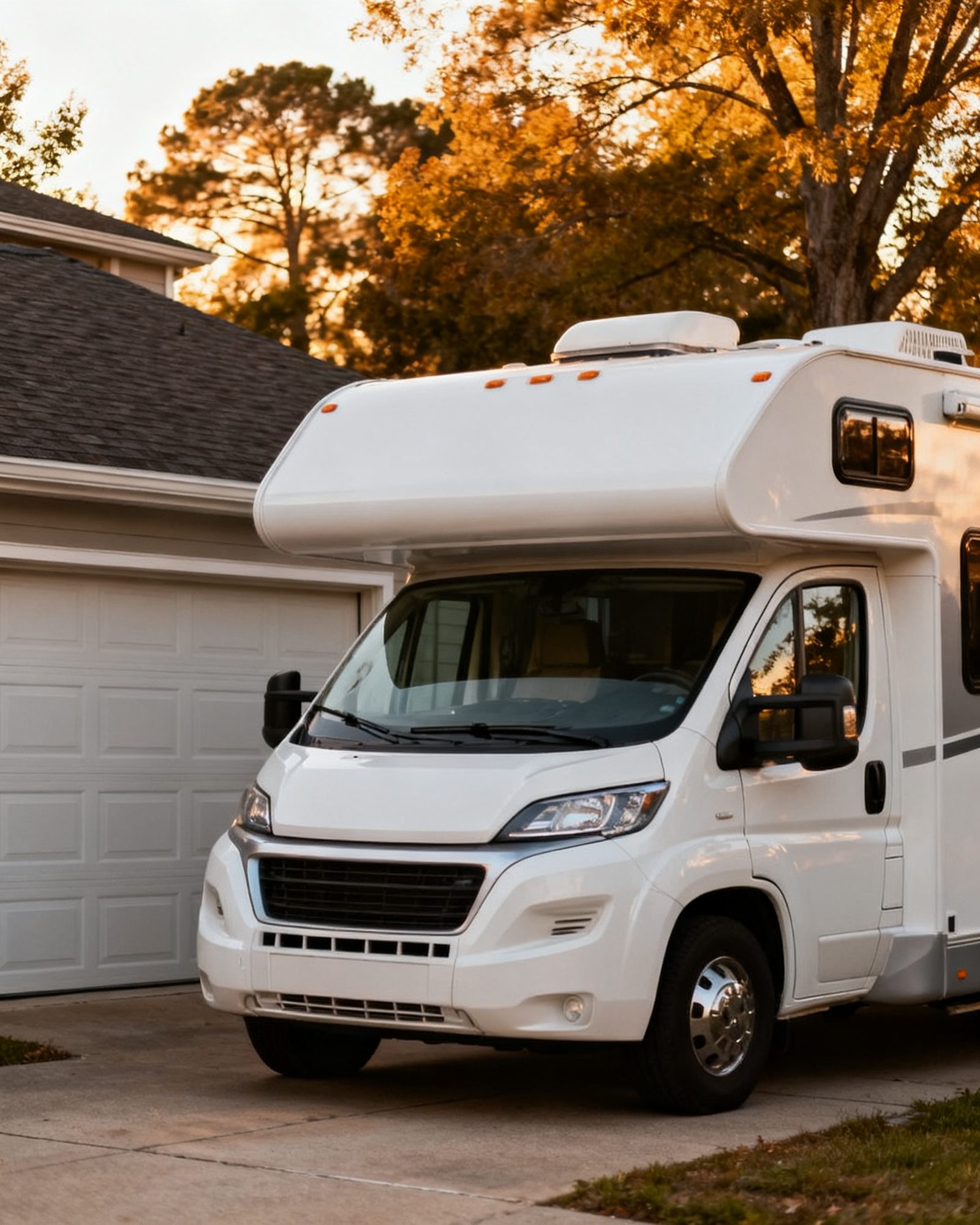
RV depreciation is the drop in an RV’s value over time. It is steepest in the first years and then tends to flatten. That pattern is why buying used often makes financial sense: the first owner absorbs the steepest part of the loss, and you buy at a lower starting point. But depreciation is not just a number that happens to someone else. It affects what you can borrow, what you owe, what you can sell for, and what you should pay. Understanding how it works helps you avoid overpaying and getting stuck with negative equity.
Why RVs lose value fastest early
An RV is a depreciating asset. It loses value for the same reasons cars do: it is a manufactured product that wears out, goes out of style, and is replaced by newer models. But RVs have some extra factors. They have complex systems - propane, 120-volt electrical, water, slides - that can be expensive to repair. And they are often used seasonally, so condition varies widely.
The steepest loss usually happens in the first few years. A new RV becomes “used” the moment it is titled to its first owner. After that, the rate of loss tends to slow. An older RV that has been well maintained may lose very little value from year to year, while a neglected one can lose value quickly regardless of age.
What slows the loss
Not all used RVs depreciate at the same rate. Several things can slow the loss or protect value:
- Condition. A clean, well-kept RV with no water damage, working systems and good tires will hold value better than a neglected one. Water damage is among the most common and most expensive defects in used RVs, and it can destroy value.
- Maintenance records. A binder of receipts for roof sealant renewal, appliance service, oil changes and repairs shows a buyer that the RV has been cared for. Records are a selling point.
- Floor plan. Some layouts appeal to more buyers than others. A floor plan that works for families or couples in the used market can help resale.
- Clean title. A branded title - salvage, rebuilt, flood or junk - affects financing, insurance and resale. A clean title is worth more.
- Maker and parts availability. An RV whose maker is still in business, with parts still available, can be easier to own and to sell.
- Age and type. Some types hold value differently from others, and demand shifts over time. Condition and records matter more than type alone.
What this means for buying used instead of new
If you buy a new RV, you absorb the steepest part of the depreciation curve. If you buy used, the first owner has already taken that hit. You buy at a lower price, and the RV has already taken its steepest drop. That does not mean used RVs are cheap to own - they need maintenance and repairs - but the depreciation cost is lower.
When comparing new vs used, look at the total cost of ownership, not just the purchase price. A used RV may need tires, batteries, roof sealant and appliance service soon after purchase. A new RV may have a warranty but will lose value quickly. The used buyer avoids the early loss but should budget for catching up on maintenance.
How depreciation affects financing
Depreciation matters most if you finance the RV. An RV loan is usually secured by the RV. If you borrow a large amount and the RV loses value quickly, you can end up owing more than it is worth - negative equity. That becomes a problem if you want to sell or trade in before the loan is paid off.
A longer loan term lowers the monthly payment but raises the total interest paid and raises the chance of negative equity. Lenders set their own rules on the age, type and value of RV they will finance. A pre-approval from a bank or credit union before shopping gives a figure to compare against dealer financing. For a full explanation of how loans for used RVs work, see RV financing basics.
What to compare when valuing a used RV
Use this checklist to compare two similar RVs and see which is likely to hold value better.
| Factor | What to check | Why it matters |
|---|---|---|
| Age | Model year from the VIN’s 10th character | Older RVs have already taken the steepest part of the depreciation |
| Condition | Water stains, soft spots, delamination, musty smell | Water damage is expensive and kills value |
| Maintenance records | Receipts for roof sealant, appliance service, oil changes | Records show care and reduce risk |
| Tires | DOT date code (week and year) | Tires age out; old tires need replacing soon |
| Title | Clean vs branded (salvage, flood, rebuilt) | Branded titles affect financing, insurance and resale |
| Floor plan | Does it suit common buyer needs? | Popular layouts resell more easily |
| Systems | Propane, electrical, water, slides all work | Repairs are costly and affect value |
The role of the title and history
A branded title can significantly reduce value and make financing difficult. Check the VIN on the title, registration and federal certification label - they must match. An NMVTIS report shows title brands and total-loss records, and the NICB’s free VINCheck shows theft and total-loss records. For a step-by-step on paperwork, see how to check an RV’s title.
What goes wrong: common mistakes and red flags
- Paying too much for a used RV. Some sellers ask close to new price for a used RV. Compare with similar units and use the checklist above.
- Ignoring water damage. Bubbles, waves or ripples in the sidewall (delamination), soft floors, stains and musty smells are signs of water intrusion. Repair can be extensive and costly.
- Skipping the inspection. An independent RV inspector chosen and paid by the buyer examines the RV before purchase. A lab analysis of engine oil, coolant and transmission fluid can be added on a motorhome. This is money well spent.
- Financing for too long. A long term lowers the monthly payment but increases total interest and the risk of negative equity. Compare APRs and total cost, not monthly payments.
- Assuming a warranty transfers. A private sale is usually as-is, with no warranty. An extended service contract is a separate purchase with its own exclusions - read what it excludes.
- Forgetting the cost of catching up. A used RV may need tires, batteries, roof sealant, appliance service and fluid changes soon after purchase. Budget for this.
- Touching propane or electrical systems yourself. Work on propane, 120-volt or 240-volt electrical, the converter, inverter or generator is a job for a qualified RV technician. Never attempt repairs on these systems.
Selling or trading in later
When you are ready to sell, depreciation determines what you can get. A private sale usually brings more than a trade-in, but it takes time and effort. A dealer trade-in is faster but you accept a lower figure. Consignment lets a dealer sell for you for a fee. For a full comparison, see selling or trading in an RV.
Where to look for a used RV
Used RVs are sold by private sellers, dealers and through auctions. Each has trade-offs. Private sellers may offer lower prices but you handle paperwork and inspection yourself. Dealers may offer financing and warranties but charge more. Auctions may add a buyer’s premium and allow only a short inspection. For guidance on finding and buying safely, see used motorhomes for sale.
Insurance and depreciation
RV insurance includes liability, collision and comprehensive. Options include total loss replacement, agreed value, personal effects, vacation liability, full-timer coverage and roadside assistance. Agreed value coverage can protect against depreciation after a total loss, but it costs more. Coverage for a towed trailer depends on the policy - check with your insurer. State law sets liability requirements for motorhomes driven on public roads.
Tax considerations
IRS Publication 936 treats a home with sleeping, cooking and toilet facilities - including a mobile home, house trailer or boat - as a possible qualified home, so interest on a loan secured by such an RV may be deductible as home mortgage interest for those who itemize. Ask a tax professional about your situation.
The takeaway on RV depreciation
Depreciation is unavoidable, but you can manage it. Buying used lets the first owner absorb the steepest loss. Keeping records, maintaining the RV and addressing water damage early slows the loss. Financing wisely and avoiding long terms reduces the risk of negative equity. And when you sell, understanding the market helps you get a fair price. None of this is legal, tax or financial advice - check with your lender, insurer or tax professional as needed.
Common questions
How much does an RV depreciate?
RVs lose value over time, most steeply in their first years. The exact amount varies by type, condition and market. After the early years, the rate of loss tends to slow. A well-maintained RV with records and a clean title will hold value better than a neglected one.
Do RVs hold their value?
Some types and models hold value better than others, but no RV is an investment. Condition, maintenance records, floor plan and a clean title all affect resale value. Buying used avoids the steepest early loss.
Is it better to buy a new or used RV?
Buying used means the first owner absorbed the steepest depreciation, so you buy at a lower starting point. But used RVs may need maintenance and repairs soon after purchase. Compare total cost of ownership, not just purchase price.
How does depreciation affect RV financing?
If you finance an RV, rapid depreciation can leave you owing more than it is worth (negative equity). A longer loan term lowers the monthly payment but raises total interest and the chance of negative equity. Check with your lender about terms and pre-approval.
What hurts an RV's resale value most?
Water damage, a branded title (salvage, flood, rebuilt), poor maintenance and an unpopular floor plan can all reduce resale value. An independent inspection before purchase helps you avoid these problems.
Read next
RV Extended Warranty and Service Contracts: What to Check
A service contract is not the maker's warranty. Learn what to read, what exclusions to expect, and how to compare dealer and third-party coverage.
RV Insurance for a Used Motorhome or Trailer
What coverage a used RV needs: liability, collision, comprehensive, agreed value, full-timer and roadside. Compare motorhome and trailer policies before you buy.
RV Financing: How Loans for a Used RV Work
How a used RV loan works: secured lending, pre-approval, APR and Truth in Lending, long terms and negative equity, older RVs, and the tax question.