Selling or Trading In an RV: Private Sale, Consignment or Dealer
Compare private sale, consignment, trade-in and selling to a dealer. Learn how to price your RV, handle a lien, prepare paperwork and avoid buyer scams.
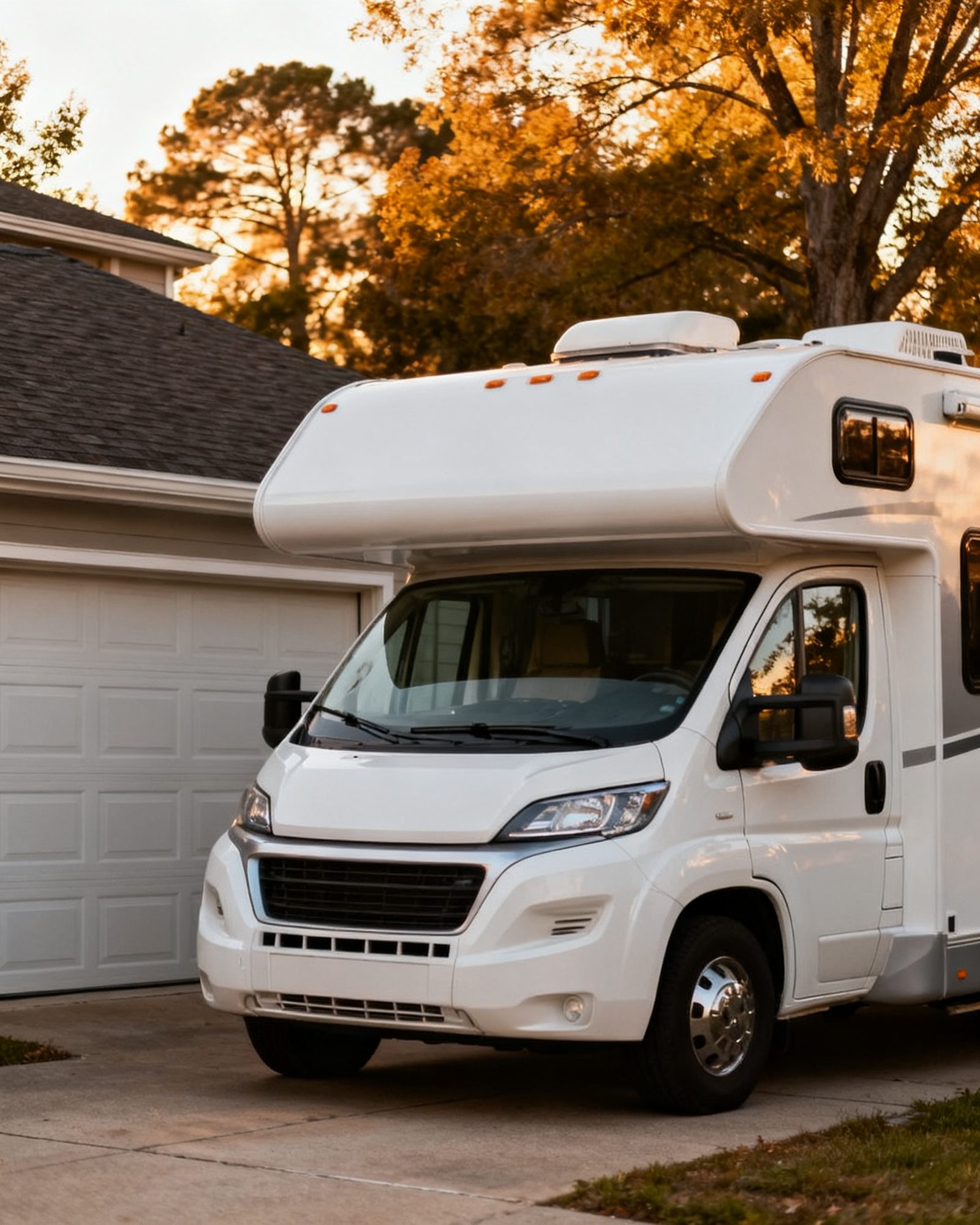
The fastest way to sell an RV is usually a dealer or trade-in; the way that often nets the most is a private sale. Consignment sits between the two, with the dealer handling showings for a fee. Which route fits depends on how much time you have, whether a lender holds a lien, and how much paperwork you want to handle. None of the routes changes the central task: knowing what your RV is actually worth and being able to prove its condition.
The four routes compared
| Route | Who handles buyers | Speed | Effort | Typical catch |
|---|---|---|---|---|
| Private sale | You | Varies with price and season | Highest: ads, showings, test drives, paperwork | You must screen buyers and handle payment safely |
| Consignment | Dealer sells for you | Moderate | Low once listed | Dealer takes a fee or commission; you wait for a buyer |
| Trade-in | Dealer buying your RV against another | Fast, part of a purchase | Low | Offer reflects what the dealer must spend to resell it |
| Sell to a dealer outright | Dealer | Fast | Low | Same resale margin applies, without a purchase to offset it |
A trade-in is convenient because the dealer can settle a lien and handle title work in one transaction. A private sale puts the work on you but removes the dealer’s margin from the equation. Consignment is a middle path: the dealer markets and shows the RV, but you still wait for a retail buyer and pay for the service.
What is your RV worth? Start with comparable RVs
Value is set by what similar RVs actually sell for, not by what you paid or what you still owe. Build a picture from current listings and recent sales of the same class, floor plan and approximate age, then adjust for condition, mileage on a motorhome, maintenance records and title status. A branded title affects financing, insurance and resale, so a clean title supports a higher figure.
RVs lose value over time, most steeply in their first years; condition, floor plan, maintenance records and a clean title affect what a used one is worth. That pattern is covered in RV depreciation: how used RVs lose value and why it favors buyers. Knowing it keeps expectations realistic: a buyer comparing your RV with newer ones will price the difference in.
Options and upgrades rarely return their full cost. Documented maintenance, new tires within their service life, a watertight roof and working appliances do support the price because they reduce the buyer’s risk.
Preparing the RV so it shows well
A clean, dry, fully working RV sells faster and defends its price. Work through this before any showing:
- Wash the exterior and roof, and clean the interior, cabinets and holding tanks.
- Fix small defects: cabinet latches, bulbs, seals, a dripping faucet.
- Inspect roof and seam sealants; renew where cracked. Water damage is among the most common and most expensive defects in used RVs, and buyers look for it.
- Test every system you can safely operate, and note anything that needs a qualified RV technician.
- Gather records: service invoices, tire dates, appliance manuals, weight labels.
- Photograph in daylight, including the roof, the underside, the tires with their DOT codes, and any flaws.
Be honest about defects in the ad. A buyer who discovers a soft floor after travelling to see the RV will walk, and a disclosed flaw is a negotiating point rather than a deal-breaker.
Paying off a loan during the sale
If a lender holds a lien, it must be released before ownership can pass to the buyer. A lien release from the lender, or the lender’s signature on the title, is required. Plan the sequence before you list:
- Ask the lender for the exact payoff figure and how long the quote is valid.
- Ask how the lender releases the lien and how quickly it issues a release or a clean title.
- Agree with the buyer how the payoff is handled, often at a bank so the payoff goes straight to the lender.
- Put in writing how and when the release or clean title will reach the buyer, and keep the payoff confirmation.
A buyer may be uneasy paying for an RV whose title is held elsewhere. Explaining the process up front, and meeting at a bank, removes most of that doubt.
Paperwork for a private sale
The seller named on the title should be the person selling, with photo ID that matches. The VIN on the title, the registration and the federal certification label must all match and show no sign of alteration. A bill of sale records buyer, seller, date, the sale amount, VIN, year, make and model, and “as is” where there is no warranty; some states have their own form. Federal law requires an odometer disclosure when a motor vehicle changes owner, with exemptions; trailers have no odometer. The state DMV supplies the forms.
Titling, registration, sales tax, temporary permits and trailer rules vary by state: check your state DMV. The steps a buyer will expect are set out in RV title transfer and paperwork when buying used; reading them from the buyer’s side helps you have the right documents ready.
There is no general right to cancel a signed vehicle purchase afterwards, and a private sale is usually as-is, with no warranty. Say so in the ad and on the bill of sale.
Staying safe from buyer scams
Scams run in both directions. A buyer who offers to overpay and have you forward the difference, who sends a “cashier’s check” for more than the agreed amount, or who insists on an escrow or shipping service of their own choosing is following a known pattern. The vehicle-sale scams the FTC and FBI warn about lean on wire transfers, gift cards, fake “escrow” or shipping services and pressure to act fast; on the selling side, the same tricks show up as overpayments and refund requests.
For a seller, the safe routine is simple: meet at the buyer’s bank, check the buyer’s ID, accept a cashier’s check you watch the bank issue or a transfer made in person, and sign the title and bill of sale at the same time as the funds change hands. Do not release the RV until payment has cleared. More patterns are described in used RV scams: fake listings, escrow tricks and how to pay safely.
Consignment and trade-in: what to ask
With consignment, a dealer sells a privately owned RV for the owner in exchange for a fee or commission. Ask for the commission structure in writing, who pays for advertising and cleaning, what happens if the RV does not sell, whether you can remove it, and how the dealer handles a lien payoff. Confirm who is insured while the RV sits on the lot.
With a trade-in, ask for the itemized out-the-door total on the RV you are buying, with the trade-in figure shown separately. Dealers may add documentation fees and optional products, so compare the whole transaction rather than the trade-in number alone. If a lender is involved, check with your lender about how the trade-in and any negative equity are handled.
What goes wrong
- Pricing from what you owe. A loan balance is not a value. Price from comparable sales and condition.
- Selling with a lien unresolved. Ownership cannot pass until the lien is released; arrange the payoff before listing.
- Skipping the title match. A VIN that does not match across title, registration and certification label stops a sale.
- Hiding water damage. Soft floors, stains and a musty smell are found by inspectors and moisture meters, and they end negotiations.
- Accepting an overpayment. Any request to refund a difference or forward funds is a red flag.
- Releasing the RV before funds clear. Treat cleared funds, not a photograph of a check, as payment.
- Assuming a signed deal can be undone. There is no general right to cancel a signed vehicle purchase afterwards.
- Forgetting the tax and DMV side. Sales tax and title rules vary by state; ask a tax professional and check your state DMV.
Running costs a buyer will ask about
Expect questions about what the RV costs to own, because those answers affect your price. Insurance for a motorhome includes liability, collision and comprehensive, and state law sets liability requirements for motorhomes driven on public roads; coverage for a towed trailer depends on the policy, so a buyer should check with an insurer. Maintenance includes roof and sealant renewal, tire replacement as tires age out, battery care, and propane and electrical work by a qualified RV technician. Having records of that work is one of the strongest selling points a used RV can have.
Common questions
Should I sell my RV privately or trade it in?
A private sale usually brings more because no dealer margin is deducted, but you handle advertising, showings and paperwork. A trade-in is faster and the dealer settles the lien and title work, but the offer reflects what the dealer must spend to resell the RV.
How do I sell an RV that still has a loan on it?
Ask the lender for the exact payoff figure and how it releases the lien. The lien must be released, by a release letter or the lender's signature on the title, before ownership can pass. Many sellers and buyers complete the payoff together at a bank.
What is my RV worth?
Value comes from what similar RVs of the same class, floor plan and approximate age actually sell for, adjusted for condition, mileage on a motorhome, maintenance records and title status. What you paid or still owe does not set the value.
How does RV consignment work?
A dealer sells a privately owned RV for the owner in exchange for a fee or commission. Get the commission, advertising costs, insurance while on the lot, and the process for an unsold RV in writing before signing.
What paperwork do I need to sell an RV?
The title with the seller named on it, photo ID that matches, a bill of sale with the VIN, year, make, model, date, sale amount and as-is wording, and an odometer disclosure where federal law requires one. Rules vary by state, so check your state DMV.
Read next
RV Depreciation: How Used RVs Lose Value and Why It Favors Buyers
RV depreciation explained: why used RVs lose value fastest early, what slows the loss, and how buying used can work in your favor. No rates or prices.
RV Extended Warranty and Service Contracts: What to Check
A service contract is not the maker's warranty. Learn what to read, what exclusions to expect, and how to compare dealer and third-party coverage.
RV Insurance for a Used Motorhome or Trailer
What coverage a used RV needs: liability, collision, comprehensive, agreed value, full-timer and roadside. Compare motorhome and trailer policies before you buy.