Small Used Motorhomes: Class B, B+ and Short Class C
Compare small used motorhomes: Class B camper vans, B+ and short Class C. Learn what each keeps and gives up, who they suit, and what to check before buying.
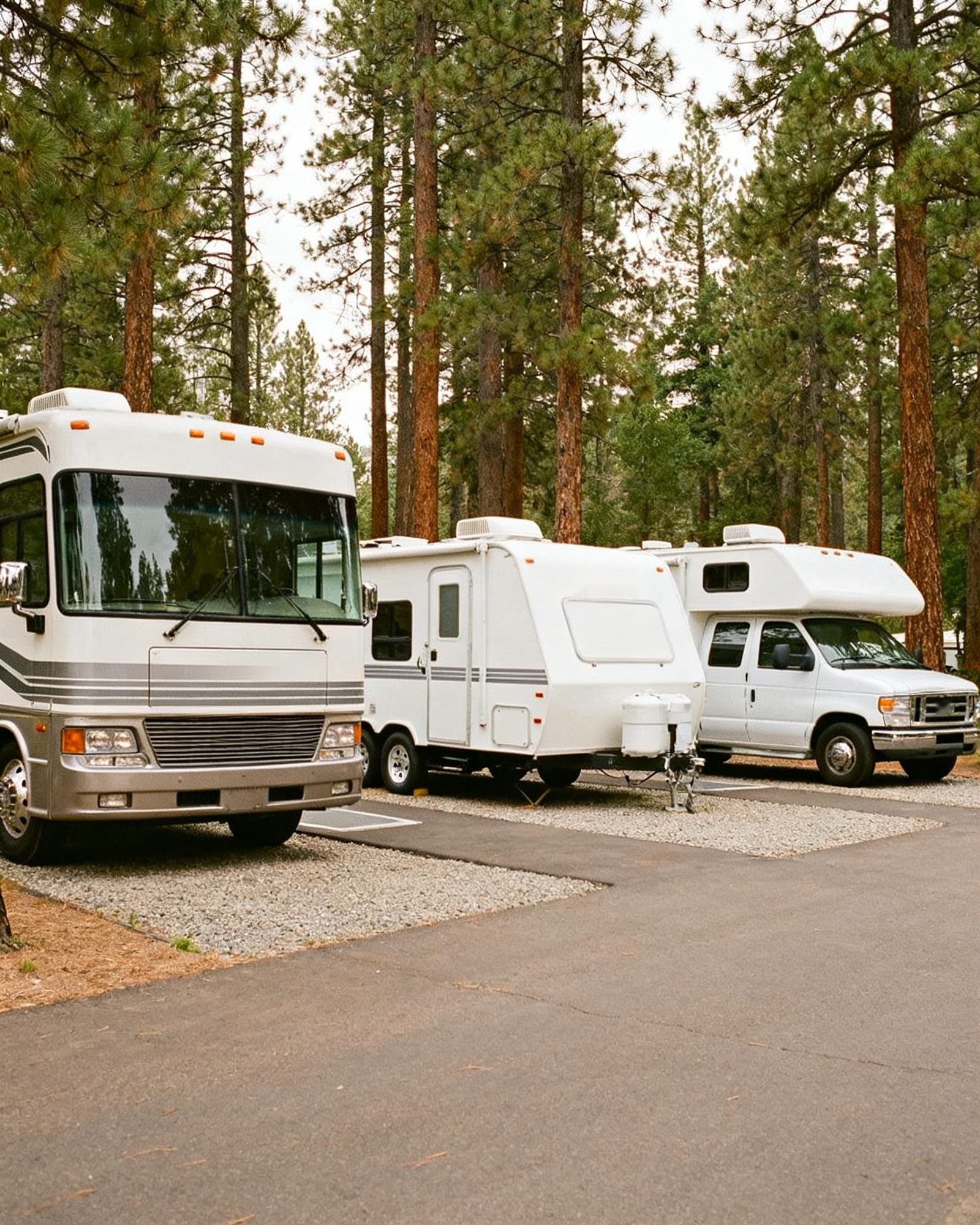
A small used motorhome is usually a Class B camper van, a B+ (a marketing term, not an official class), or a short Class C. The right one depends on whether you need a bathroom, how many people sleep aboard, and whether you want to park in a normal space or tow a car. This page compares the three types as built, how they drive, and what to inspect on a used one.
The three small motorhome types, side by side
| Feature | Class B (camper van) | Class B+ | Short Class C |
|---|---|---|---|
| Body | Full-size van body, usually raised roof | Cutaway van chassis, no cabover bunk | Cutaway van or truck chassis with cabover |
| Typical length | Roughly 17 to 24 feet | Between a B and a C in size | Roughly 20 to 35 feet (short models at the low end) |
| Bathroom | Many have a wet bath; some have none | Usually a wet bath or small dry bath | Usually a larger bath; some have a separate shower |
| Beds | Sofa or bench that converts; some have a fixed bed | Convertible or fixed bed; no cabover | Cabover bed plus a dinette or sofa bed |
| Tank sizes | Smallest fresh, gray and black tanks | Small to moderate | Moderate; larger than a B |
| Driving | Drives like a large van; easiest to park | Van-like but wider; still maneuverable | Truck-like; longer braking distance, wider turns |
| Parking | Fits many standard spaces | Needs a larger space | Often needs two spaces or a pull-through |
| Best for | One or two people, frequent moves, tight campsites | Couples who want a bathroom and easier parking | Families or couples who want space and a cabover bed |
A Class B keeps the van’s exterior shape, so it is the smallest motorhome class. Many have a wet bath (shower and toilet in one compartment); some have no bathroom at all. If a bathroom is a must, check the floor plan carefully: the smallest motorhome with a bathroom is usually a Class B with a wet bath, but not every van has one.
A B+ is usually a small motorhome on a cutaway van chassis without a cabover bunk. It sits between a Class B and a Class C in size. Because the term is not official, two B+ listings can be quite different; compare by length, tank size and floor plan, not by the label.
A short Class C keeps the original van cab and adds a living body behind it, most with a bed or storage over the cab. The cabover adds sleeping space but also height and a large front face that is prone to water intrusion.
For a fuller picture of how these fit with larger motorhomes and towables, see RV types explained: Class A, B and C motorhomes and towables.
Who each type suits
Class B camper vans
A Class B suits one or two people who move often, park in towns, and do not need a separate bedroom. It drives like a large van, fits in many standard parking spaces, and is the easiest of the three to maneuver in tight campgrounds. The trade-offs are small tanks, limited storage, and a bathroom that may be a wet bath or missing entirely. If you plan to camp without hookups for long stretches, check the fresh and gray tank sizes before you fall for the layout.
For a detailed buying guide to this type, see Class B RVs and camper vans: buying one used.
B+ motorhomes
A B+ suits a couple who wants a bathroom and a bit more living space than a van, but still wants to park and drive without a tow vehicle. Without a cabover, the front is lower and catches less wind than a Class C. The trade-off is that the B+ label covers a wide range of sizes and builds, so you must check the actual length, weight ratings and tank capacities on each unit.
Short Class C motorhomes
A short Class C suits a couple or small family who wants a cabover bed, a larger bathroom and more storage. It is the roomiest of the three and the most like a small apartment. The trade-offs are length, height and weight: it is harder to park, less maneuverable, and the cabover and front seams are common leak points. If you want the space and can accept the size, see Used Class C motorhomes: who they suit and what to check.
What to check on a used small motorhome
Water damage and seals
Water damage is among the most common and most expensive defects in used RVs. On a Class B, check the raised roof seams, the rear doors and the window frames. On a B+ and Class C, check the cabover, the front cap seams, roof vents, slide-out seals and corners. Look for soft spots in floors, walls and ceiling, stains, sagging and a musty smell. A moisture meter on interior walls finds damp that cannot be seen. Roof and seam sealants dry out and crack with age and must be inspected and renewed.
Weight ratings and payload
Every small motorhome has a GVWR (the most it may weigh fully loaded), a GAWR for each axle, and a cargo carrying capacity (CCC) label usually inside a cabinet or near the entry door. The CCC is what is left after full fresh water and propane, and it must cover passengers, gear and any options added after the RV was built. A camper van with a full fresh water tank and two adults can be close to its limit. The only way to know actual weight is a public scale: weigh fully loaded, by axle where possible.
Tires and age
RV tires often age out before the tread wears out. Check the DOT code on the sidewall: the last four digits give the week and year of manufacture, so 2419 means the 24th week of 2019. Common guidance is a yearly inspection once tires are 5 years old and replacement no later than 10 years from the date of manufacture, whatever the tread looks like. Inflate to the pressure for the actual load, measured cold.
Bathroom and tanks
On a Class B, confirm whether there is a wet bath, a cassette toilet, or no bathroom. Check the black and gray tank sizes and how they are emptied. On a B+ or Class C, check the shower pan for cracks, the toilet seal, and the water heater. A water heater must be full of water before its electric element or burner is switched on; ask the seller how they winterized it.
Propane and electrical
Propane system work - leak testing, regulators, lines and appliances - is a job for a qualified RV technician. So is work on 120-volt or 240-volt wiring, the converter, inverter or generator. On a used unit, test the smoke, carbon monoxide and LP gas alarms and check the date on each unit. Look for a generator exhaust that could be blocked by snow, walls or other vehicles, and confirm the CO alarm works.
Paperwork and history
Check the VIN on the title, registration and federal certification label; they must all match and show no sign of alteration. A motorhome can have safety recalls from two makers: the chassis manufacturer and the company that built the living area. Use the NHTSA recall lookup by VIN. An NMVTIS report shows title brands, odometer readings and total-loss records. A branded title affects financing, insurance and resale. For a step-by-step walkthrough, see how to check an RV’s title and paperwork.
Inspection
An independent RV inspector, chosen and paid by the buyer, examines an RV before purchase. On a motorhome, a lab analysis of engine oil, coolant and transmission fluid can be added. On a small motorhome, the inspector should pay particular attention to the roof, cabover and any slide-out seals.
What goes wrong: common mistakes and red flags
- Buying by label. A B+ is not an official class. Two units with the same label can differ in length, weight and tank size. Compare the actual specifications.
- Assuming every Class B has a bathroom. Some have none. If a bathroom is essential, confirm it in person.
- Ignoring the cabover. On a short Class C, the cabover is a common leak point. Bubbles, waves or ripples in the sidewall (delamination) usually mean water has got in.
- Overlooking payload. A small motorhome can be close to its GVWR with full water and passengers. Check the CCC label and weigh it loaded.
- Skipping the title check. A lien must be released before ownership can pass. The seller named on the title should be the person selling, with photo ID that matches.
- Paying before seeing. Vehicle-sale scams follow a pattern the FTC and FBI warn about: a listing far below comparable RVs, a seller who cannot meet, payment by wire transfer or gift cards, and pressure to pay before seeing the RV and the title.
- Forgetting the cost of age. RVs lose value over time, most steeply in their first years. Condition, floor plan, maintenance records and a clean title affect what a used one is worth.
Finding and buying a small used motorhome
Small used motorhomes for sale near you will include private sellers, dealers and consignment units. A private sale is usually as-is, with no warranty. There is no general right to cancel a signed vehicle purchase afterwards. Meet at the buyer’s bank, check the title and the seller’s ID, pay by cashier’s check or a transfer made in person, and sign the title and bill of sale at the same time. For where to look and how to buy safely, see used motorhomes for sale: where to look and how to buy safely.
Before you shop, decide which of the three types fits: a camper van for maneuverability, a B+ for a bathroom without the cabover, or a short Class C for space and a cabover bed. Then check the weight labels, the roof and seals, the tires by date code, and the title. That order will keep a small motorhome from becoming a large repair bill.
Common questions
What is the smallest motorhome with a bathroom?
The smallest motorhome with a bathroom is usually a Class B camper van with a wet bath, where the shower and toilet share one compartment. Not every Class B has a bathroom, so confirm it in person. Some B+ models also have a wet bath and are slightly larger.
What does B+ RV mean?
B+ is a marketing term, not an official class. It usually describes a small motorhome on a cutaway van chassis without a cabover bunk, between a Class B and a Class C in size. Because the term is not standardized, compare length, tank size and floor plan rather than the label.
Is a Class B or Class C better for full-time use?
A short Class C gives more living space, usually a larger bathroom and a cabover bed, which suits couples or small families. A Class B is easier to drive and park but has smaller tanks and less storage. Full-time use depends on how often you move and how much you need a separate bathroom.
How do I check a used small motorhome for water damage?
Look for soft spots in floors, walls and ceiling, stains, sagging, and a musty smell. Check roof seams, the cabover, window frames, slide-out seals and corners. A moisture meter on interior walls finds damp that cannot be seen. Bubbles or waves in the sidewall (delamination) usually mean water has got in.
What should I check on the tires of a used motorhome?
Check the DOT code on the sidewall: the last four digits give the week and year of manufacture. RV tires often age out before the tread wears out. Common guidance is a yearly inspection once tires are 5 years old and replacement no later than 10 years from the date of manufacture, whatever the tread looks like.
Read next
Used 4x4 Motorhomes and Off-Road Campers in the USA
Compare used 4x4 motorhome types: camper vans, 4x4 Class C, truck campers and expedition trucks. Learn what four-wheel drive adds and what to inspect.
Used Class B RVs and Camper Vans: What to Check
A practical guide to buying a used Class B RV or camper van: how they are built, who they suit, wet baths, tank sizes, home conversions and what to inspect.
Used Class C Motorhomes: Who They Suit and What to Check
How a used Class C motorhome is built, who it suits, how it drives, and what to inspect - especially the cabover, the classic spot for water leaks.